
Buying Steroids Info
How Did Ronnie Coleman Get So Big: The Science Behind The King’s Legendary Physique
Feb
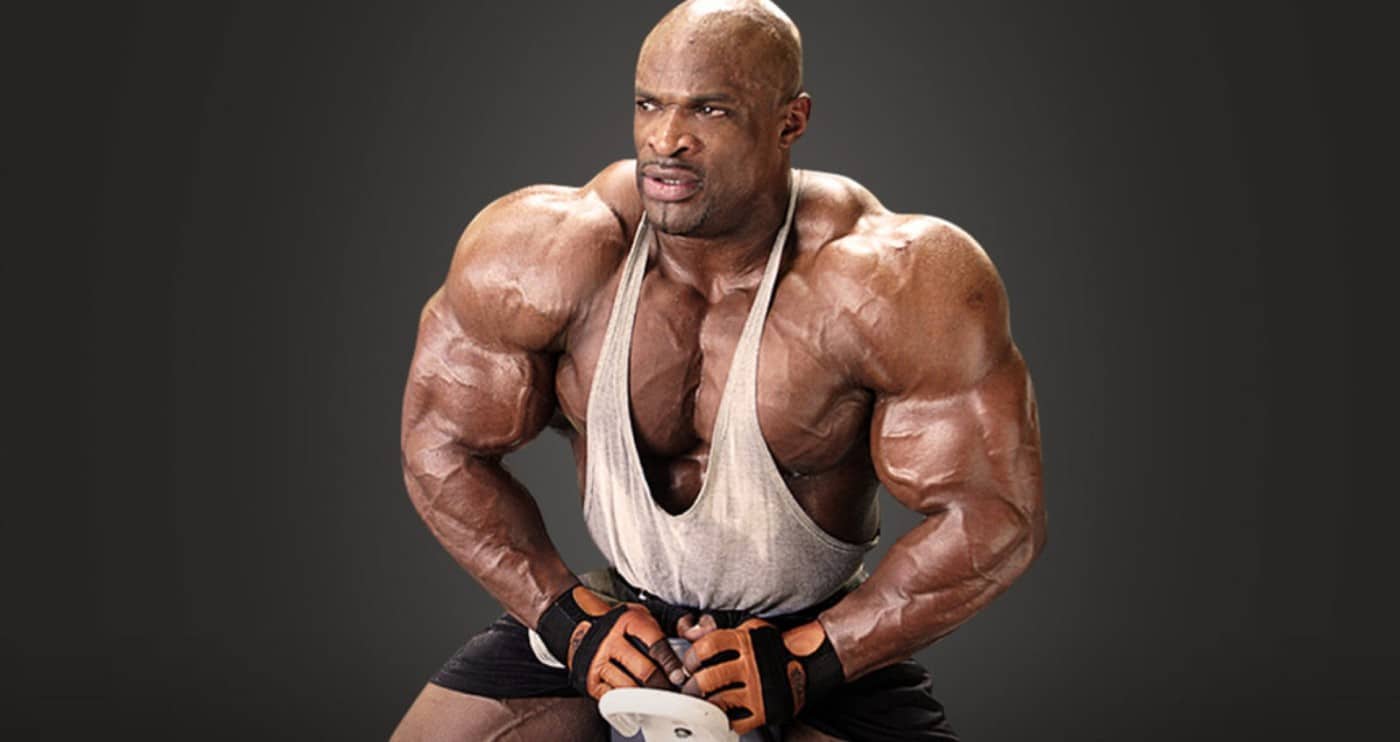
Ronnie Coleman achieved his utterly ridiculous 287-300+ pound contest physique through a combination of seriously intense heavy weight training (he could squat & deadlift an 800+ pound lift like it was nothing), eating a freaking 6000+ calorie diet every day, having some pretty sweet genetics working for him, & over 15 years of sticking to a consistent, progressive training plan. His approach was fundamentally different from other champions in the sport, because he managed to merge the intense strength of powerlifting with the precision of bodybuilding – the kind of thing you’d pick up on even if you were a complete newbie to the sport. Not only was Coleman focused on how to build muscle through these methods, but he actually found the whole process to be a ton of fun, which really helped him stay motivated & passionate about the sport for years to come.
This article is going to take a close look at Coleman’s training methodology, nutritional protocols, genetic advantages, & career timeline – from his 1990 debut right up until his final Mr. Olympia victory in 2005. The content here is aimed at bodybuilding enthusiasts, strength athletes, and fitness professionals looking to learn from the best in terms of how one athlete was able to achieve what many consider to be the pinnacle of human muscle development. Coleman’s advice is to always be on the lookout for new knowledge & to seek guidance from more experienced athletes – he stresses the importance of learning from others.
Ronnie Coleman holds an impressive 8 consecutive Mr. Olympia titles – that’s the most in bodybuilding history. He’s widely regarded as the greatest bodybuilder of all time due to his incredible combination of size, conditioning & heavy workouts. Taking a closer look at how he built his physique can give you some valuable insights into progressive overload principles, nutrition for extreme mass gain, the role of genetics, & the importance of training consistently for decades.
Key outcomes from this article:
- Getting a better understanding of how heavy compound movements can build dense muscle mass
- Learning some nutritional strategies that can support extreme muscle growth
- Recognizing the genetic factors that influence your bodybuilding potential
- Figuring out how to apply progressive overload principles to your own training
- Getting a better appreciation for the timeline required for elite physique development
Understanding Coleman’s Approach to Building Muscle
Ronnie Coleman’s training philosophy was a pretty unique blend of powerlifting strength standards & bodybuilding aesthetics – a combination that wasn’t really seen before or since in the sport. While other champions were mostly focused on muscle isolation & moderate weights, Coleman believed that building a solid foundation of extreme strength & consistently pushing himself to lift heavy was the key to maximizing muscle mass.
It’s long been known that there’s a pretty strong relationship between muscle strength & size – that stronger muscles are able to produce more force & handle more mechanical tension.
Building a Foundation With Heavy Lifting
Coleman’s relationship with heavy weights started a lot earlier than bodybuilding – in fact, during his high school years he was part of his school’s powerlifting team. These were some pretty strong guys, & the camaraderie & challenges they faced together really helped build Coleman’s early foundation in strength. Through his time at Grambling State University, he continued to develop a lot of strength through football training. After graduating with an accounting degree & joining the Arlington Police Department as a police officer in 1989, he just kept on pursuing athletic challenges.
He got into bodybuilding through a chance encounter when fellow officer Gustavo Arlotta introduced him to Metroflex Gym in Arlington, Texas. Brian Dobson, the owner of the gym, recognized Coleman’s potential right off the bat & offered him a free gym membership in exchange for the chance to train him for competition.
This powerlifting background gave him a strong foundation of dense muscle tissue & thickness that really enhanced his stage appearance. Coleman wasn’t just squatting & deadlifting 800+ pounds to show off – it was translating directly into muscle development that set him apart from competitors who were training with lighter weights exclusively.
A Little Help From Genetics
Coleman had a pretty rare combination of genetic factors that made his training results just that much better. His muscle fiber composition, recovery ability, & natural propensity for maintaining relatively low body fat while building extreme muscle mass all gave him some advantages that no amount of hard work could replicate.
His bone structure & muscle insertion points were just perfect for showing off his physique. These genetic gifts, combined with his work ethic, created the foundation for what many consider the greatest bodybuilder in the history of the sport. Not only is Coleman regarded as the greatest bodybuilder, but also as a guy who redefined the standards of the sport.
The Training Methodology That Built The King
Coleman structured his weekly training with a body-part split that let him put maximum intensity on each muscle group while also giving himself some time to recover. His approach during his peak years (1998-2005) had been tweaked & refined over nearly a decade of competitive bodybuilding, and was deeply rooted in the culture of “pumping iron” – a term that captures the intense, dedicated & relentless weightlifting sessions that defined his training ethos.
Progressive Overload – The Secret to Coleman’s Success
The principle of progressive overload – getting progressively stronger over time by increasing the weights you lift or the number of reps you do – was fundamental to Coleman’s approach. Each workout needed to be a step up from the last one, either in terms of weight, reps, or volume – something you can actually measure.
His exercise selection prioritized compound movements: squats, deadlifts, bench press, & bent-over rows formed the foundation of every training cycle. These movements allowed him to move max weight while also working multiple muscle groups at once.Rep ranges varied based on the training phase and the specific exercises being done. Heavier compound moves tended to fall within the 4-8 rep range, while isolation exercises went up to 10-15 reps. Coleman emphasized it was doing enough reps with heavy weights that created the stimulus needed for extreme muscle growth – you can’t just lift heavy and hope for the best, you need to push yourself to complete the full range of motion.
Training Volume and Frequency
Despite his massive size, Coleman’s workouts were typically only 45-60 minutes long. And it’s not like he was in there slapping out a quick workout, he was going all out every single time. Intensity, not duration, was what drove the results. He trained each major muscle group once per week, and then gave it a week to recover before targeting that muscle group again.
Coleman followed a very structured approach to his training, rotating through the major muscle groups systematically:
- Chest and triceps
- Back and biceps
- Shoulders
- Legs (and often he’d split his legs into quads and hams on separate days)
Between sessions, Coleman made sure to get plenty of sleep, eat on point, and keep his stress levels under control – this was no easy feat considering he was also a reserve officer.
Targeted Range of Motion Techniques
Coleman was a big fan of training muscles in lengthened positions for maximum growth stimulus. And now that the research has caught up, it turns out he was onto something – muscles under tension in stretched positions really do experience greater mechanical tension, which is a primary driver of hypertrophy. Rather than shortening his range of motion to lift heavier weights, Coleman prioritised complete muscle activation throughout each movement.
He used a variety of techniques to extend sets beyond normal muscular failure, including partial reps and forced reps – which were often assisted by his training partners. This created additional stimulus for growth and allowed him to push himself harder than he could on his own.
The Role of Flex Wheeler in Coleman’s Journey
Flex Wheeler had a huge impact on Ronnie Coleman’s bodybuilding career – the guy was like a mentor and friend to Coleman during the formative years of his bodybuilding journey. When Coleman was still finding his footing in the world of pro bodybuilding, Wheeler stepped in and shared his wealth of experience, offering guidance on everything from posing routines to contest prep and the finer points of diet and recovery.
One of Wheeler’s biggest contributions was introducing Coleman to the concept of progressive overload within a bodybuilding context. Coleman already had a background in powerlifting, but Wheeler helped him understand how to apply those principles to sculpt a physique worthy of the Olympia stage. Under Wheeler’s mentorship, Coleman learned to combine his raw strength with strategic training methods, focusing on building muscle mass through enough reps, proper form, and calculated intensity. This approach allowed Coleman to maximise his muscle growth while minimising the risk of injury, setting the stage for his future as a world champion.
Wheeler also helped Coleman get connected with Chad Nicholls – the coach who helped refine Coleman’s training and nutrition strategies for the Olympia competition. This partnership was a turning point in Coleman’s career, leading to his first Olympia title and the beginning of his reign as one of the greatest bodybuilders of all time. Wheeler’s advice on diet, rest, and recovery helped Coleman maintain the energy and focus needed to train at the highest level, and ensured that every single session in the gym was bringing him closer to his goals.
Beyond the technical aspects of training and nutrition, Wheeler’s support gave Coleman the confidence to pursue his dreams in the sport. Their friendship extended far beyond the gym, with Wheeler offering encouragement and motivation during the toughest moments of Coleman’s career. The respect and camaraderie between the two athletes was a source of inspiration for fans and fellow competitors alike, demonstrating the importance of mentorship and community in the world of bodybuilding.
Even today, Ronnie Coleman often credits Flex Wheeler as a key figure in his journey to becoming an eight-time Mr. Olympia and a legend in bodybuilding history. Wheeler’s influence helped Coleman achieve the muscle mass, conditioning, and stage presence required to dominate the sport – and their story is a testament to the power of shared knowledge, hard work, and the relentless pursuit of greatness.
Nutritional Protocols for Extreme Mass
During off-season periods, Coleman’s daily calorie intake was over 6,000 calories – which helped support his 300+ pound physique. To achieve this, he would eat huge, carefully planned meals every single day, focusing on nutrition to fuel his intense training and muscle growth.
Coleman stuck to a super basic diet, eating six meals a day and focusing on protein sources like grilled chicken breasts, turkey breasts, steak, egg whites, and rice. He’d also have some baked potatoes and grits with cheese for carbs. And let me tell you, this nutritional volume required some serious strategic planning and consistent execution every single day.
Macronutrient Distribution
Protein intake was massive – we’re talking 500-600+ grams daily from whole food sources like chicken, turkey, lean steak, and egg whites. This was way beyond the standard recommendations, but it was needed to support the recovery demands of his extreme training.
Carb cycling was a key part of Coleman’s nutrition strategy, with intake adjusted based on competition phase:
- Off-season bulking: 800-1000+ grams daily
- Pre-contest cutting: 100-300 grams dailyFat sources included healthy options timed around training sessions to support hormonal function without messing up digestion during workouts.
Meal timings were structured into a pattern of 5 to 6 meals per day to keep nutrients flowing in for muscle recovery and growth. Each meal came chock-full of protein, with carbs and fat adjusted on a per phase basis.
Food Sources and Prep
Coleman’s staple foods were the usual suspects: grilled chicken breast, lean steak, white rice, baked potatoes, and his famous grits with cheese. These foods delivered the goods in terms of macronutrient profiles, were easy to whip up in bulk, and didn’t skimp on nutrition.
Meal prep became an absolute must when he was working 3pm-11pm police shifts. He structured his shifts to allow for consistent training and eating schedules, and food prep was done in bulk with meals portioned out and ready to grab at a moment’s notice.
Supps were brought in to fill the gaps when whole food intake wasn’t enough to keep up with his extreme caloric needs. Protein powders, amino acids, and vitamins filled the gaps that eating all the food in the world alone couldn’t cover.
Competition vs. Off-Season Nutrition
| Phase | Daily Calories | Body Weight | Primary Focus |
|---|---|---|---|
| Off-Season | 6,000+ | 330+ lbs | Maximum muscle growth |
| Pre-Contest | 3,500-4,000 | 280-300 lbs | Fat loss while preserving muscle |
These nutritional changes allowed him to adjust to different training phases while keeping his muscle mass intact and ready for competition.
Career Timeline and Physique Dev
Coleman started competing in bodybuilding in 1990 & that’s when his transformation really took off. Over the years, he didn’t just get bigger – he got the shape, proportion, balance, and aesthetics that judges look for when they hit the stage. And that’s how he ended up becoming an 8-time Mr. Olympia champion, which just goes to show the timeline it takes to develop the ultimate physique.
Early Years (1990-1997)
Brian Dobson was the coach who got Coleman ready for his debut at the 1990 Mr. Texas show, and Coleman ended up winning both the heavyweight and overall categories (and even beat Dobson himself). That first win showed everyone he had some serious potential and could respond to a well-structured plan.
The first pro competition he won was the 1995 Canada Pro Cup, but his Olympia results during this period were a mixed bag: outside the top 15 in 1992, 15th in 1994, 11th in 1995 and 6th in 1996.
That 3rd place finish at the 1997 Ironman Pro behind Flex Wheeler and Lee Priest – a guy 6 inches shorter and 60 pounds lighter – was probably the most painful loss of his career. Wheeler introduced him to some new training ideas during this time, and instead of calling it quits like he’d thought about doing, Coleman rededicated himself.
Breakthrough Period (1998-2001)
The partnership with coach Chad Nicholls before the 1998 Mr. Olympia comp was the turning point. Coleman walked onto the stage bigger and more conditioned than ever, and he ended up winning his first Olympia title in what people called an upset for the ages.
When he was in his prime, the combination of heavy training and recovery was the key to his success. He always looked bigger and more conditioned, and his “Yeah buddy!” catchphrase became synonymous with the intensity he brought to every workout.
Dominance Phase (2002-2005)
By 2003 he was competing at a weight of 287 pounds and that was the height of his physical development, with each subsequent year showing even more refinement to his already dominant physique.
In 2004 he had put on even more weight to fill out his massive frame, and that’s a deliberate strategy to maximize competitive advantage in the open division.
His 8th and final Olympia win in 2005 tied Lee Haney’s record for all-time wins. The next year, Jay Cutler ended his reign but his legacy lived on.
Common Challenges and Solutions
Coleman’s journey was not without it’s bumps. Despite his incredible physique, he’s had his fair share of injuries and over a dozen surgeries since his bodybuilding days. Since 2007 he’s had even more surgeries (including some hip replacements and procedures to alleviate chronic pain from damaged discs) and he now uses a wheelchair because of it. But even with all that, he still trains with light weights.
Coleman has also battled significant health challenges, like a near-fatal brush with sepsis in 2025. He’s even had stem cell treatments to manage the pain from his surgeries and weekly massages and chiropractic sessions to keep his body running.
The lesson is that even though he’s overcome all these challenges, he still stays involved and gives back to the community, and that’s something everyone in bodybuilding can do too.### Balancing Work and Training
Ronnie Coleman structured his police shifts so he could fit in his training – he worked the 3 to 11 PM shift, leaving him free to get up early and hit the gym. That’s how he was able to keep consistent with his training over a decade in law enforcement.
He also had his meal routine down pat, prepping his food in advance and portioning it out so he’d have something ready to go whenever he needed it. That way, he could never use the “no healthy food at work” excuse to skip his nutrition.
Avoiding Overtraining
Coleman knew that rest and recovery were just as important as all that hard work in the gym. He made sure to get plenty of sleep, and learned to manage stress – even when he was pushing himself to the limit he never forgot that his muscles are built during rest, not just during the actual workouts.
Instead of pushing himself to the max all the time, he varied the intensity of his workouts to avoid burnout. He knew that just because a workout didn’t kill him didn’t mean you couldn’t make progress – he would deliberately ease off the gas for a bit to let his body catch up.
Injury Prevention
He always warmed up before a heavy lift – you’d think this was a no-brainer, but a lot of people dont take the time to do it right. Because of that, he was able to handle weights that were – frankly – scary. And he always stressed the importance of proper form, which kept him safe even when he was lifting way more than most people would.
Of course, even with all that focus on recovery, he still ended up needing multiple surgeries down the line – a reminder that taking care of your body is an ongoing process.
Conclusion and Key Takeaways
Ronnie Coleman’s insane size was the result of a perfect storm of genetics, progressive overload, crazy high calorie intake, and a trainer who pushed him to new heights. While Arnold Schwarzenegger was all about going hard and often, pushing himself to new limits, Coleman’s approach was the exact opposite – it was all about getting stronger and heavier, not necessarily how hard he had to work.
The thing is, his success wasn’t just one of these – it was a combination of all of these things, that made him legendary in the bodybuilding world, even among the likes of Arnold. And the good news is, you can use these same principles to get in shape yourself – provided you’ve got the right approach.
Some simple things to keep in mind for your own training are:
- Add weight, reps, or volume to your exercises over time to keep pushing forward
- Eat enough protein to match your training – don’t just wing it and hope for the best
- Consistency is key so stick with your training for the long haul
- Don’t skimp on rest and recovery – those are just as important as the actual training
- Make sure you’ve got a solid foundation of strength before trying to isolate specific muscles
You’re never too old to start getting stronger – even if you’re 60, you can still work on your strength training and muscle building
Some other topics you might want to look into include:
- How powerlifting techniques can be used for bodybuilders\
- Nutrition planning for mass phases\
- Genetics and muscle development potential
Additional Resources
- Coleman’s old training videos where he documents his preparation – especially “The Cost of Redemption”
- Some guidelines for figuring out how many calories you need when bulking up
- Some ways to track your progressive overload over time
- Interview archives where Coleman talks about his training philosophy and what motivated him