

Buy Retatrutide 40 mg
$240.00
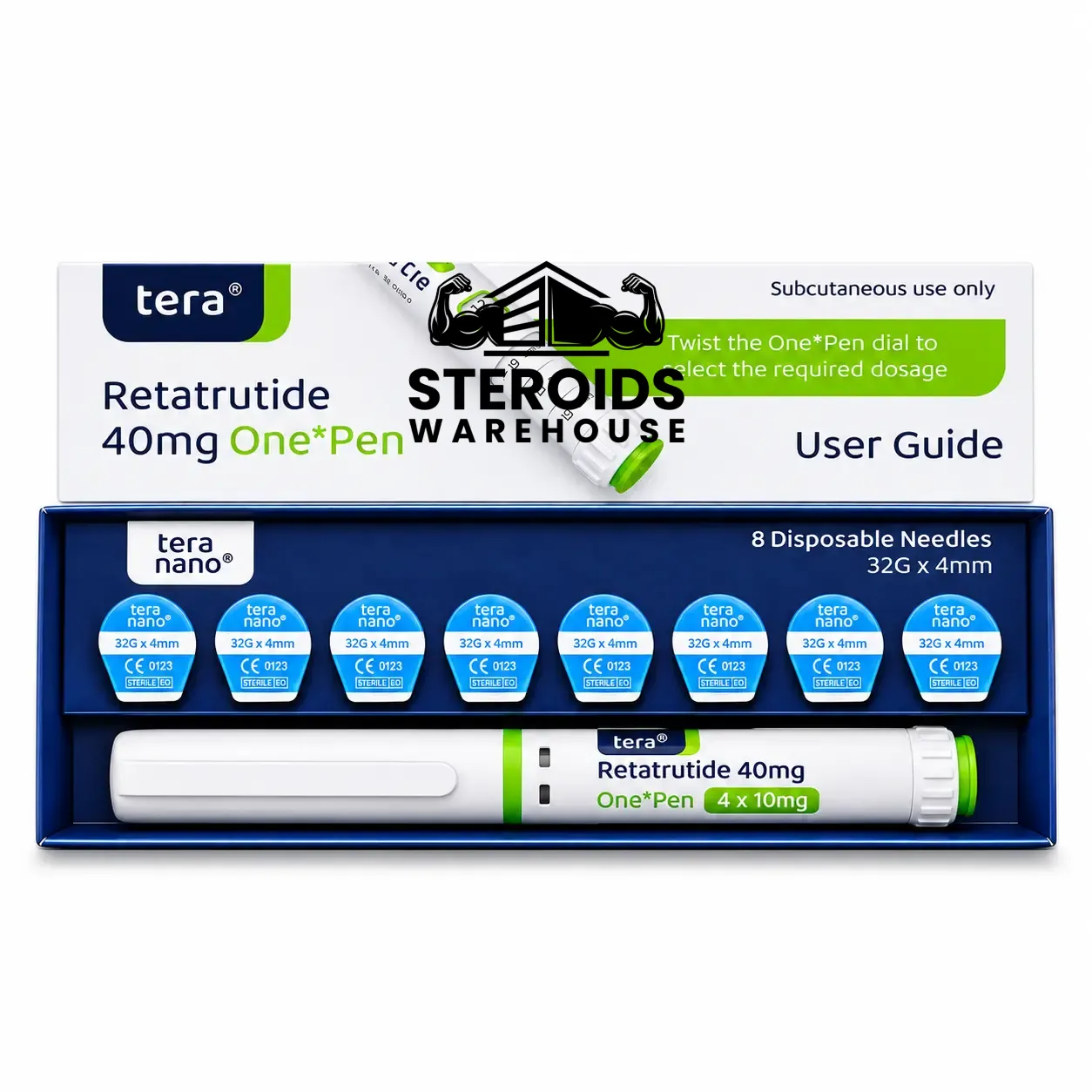
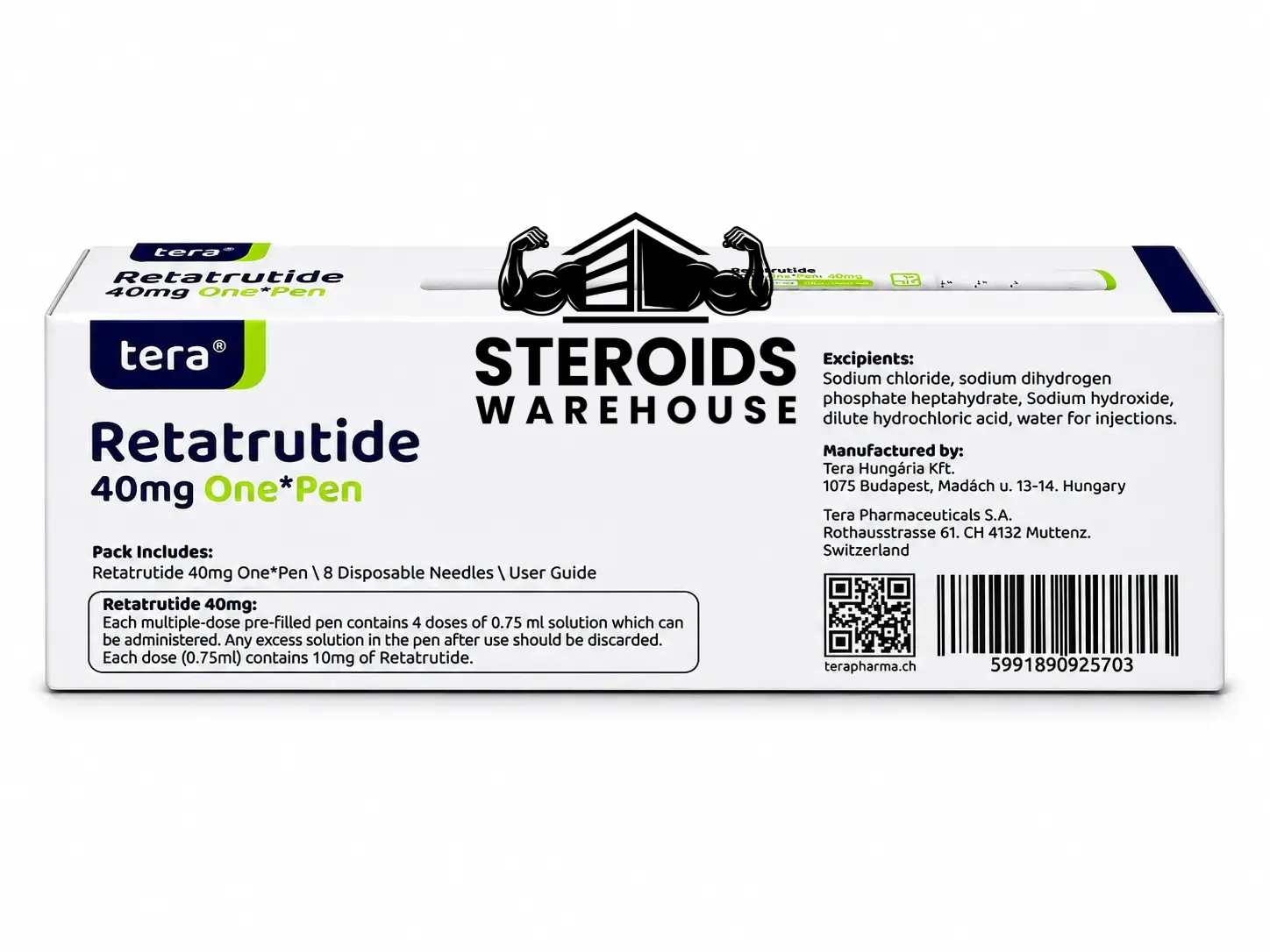
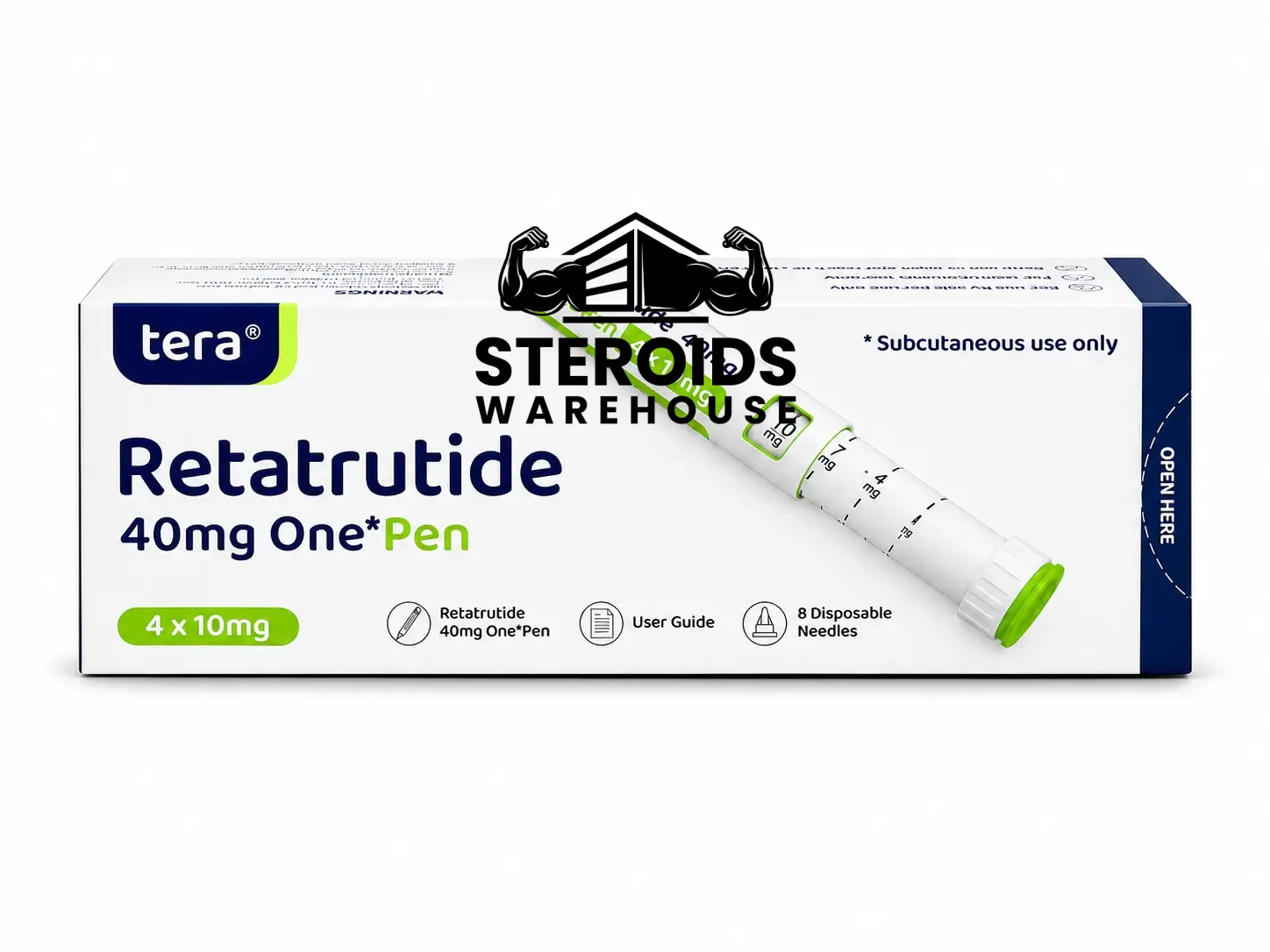
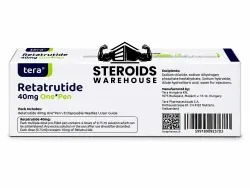
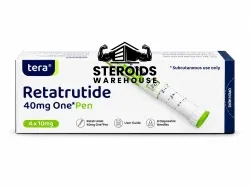
Retatrutide 40 mg Peptide Pen is a prefilled pen containing a total labeled amount of 40 mg. Retatrutide is an investigational peptide studied for weight management and blood sugar control through its activity at three hormone receptors: GIP, GLP-1, and glucagon. Each pack includes one pen, eight disposable needles, and a printed user guide.
- Presentation: Prefilled, multiple-dose peptide pen
- Total labeled content: 40 mg per pen
- Included accessories: Eight 32G × 4 mm disposable needles and a user guide
Retatrutide 40 mg Peptide Pen
The Retatrutide 40 mg Peptide Pen comes prefilled with a total labeled content of 40 mg. Each box contains one pen, eight individually packaged 32G × 4 mm disposable needles, and a printed user guide.
Also known as LY3437943, retatrutide is an investigational peptide being studied for weight management and type 2 diabetes. It activates three hormone receptors—GIP, GLP-1, and glucagon—which influence appetite, insulin secretion, and energy metabolism. This combined activity gives retatrutide its classification as a triple receptor agonist.
Product Specifications
- Product: Retatrutide 40 mg Peptide Pen
- Compound: Retatrutide
- Alternative identifier: LY3437943
- Format: Prefilled, multiple-dose pen
- Total labeled content: 40 mg per pen
- Pack size: One pen
- Included needles: Eight individually packaged disposable needles
- Needle size: 32G × 4 mm
- Printed user guide: Included
- Brand: Tera
Certificate of Analysis
View the Certificate of Analysis for the Retatrutide 40 mg Peptide Pen, including sample identification, testing methods, and reported results.
View Certificate of Analysis (PDF, opens in a new tab)
What Does Retatrutide Do?
Clinical research has examined retatrutide’s effects on body weight and blood sugar regulation. Its three-receptor profile brings together signaling pathways involved in food intake, the body’s response to glucose, and energy use. This combination is the reason for its interest in metabolic research.
Weight Management
Retatrutide has produced substantial weight reductions in clinical trials involving adults with obesity or overweight. In a 48-week phase 2 study, the highest-dose group had an average body-weight reduction of 24.2%, compared with 2.1% in the placebo group. These were results under a controlled study protocol, with participant screening and medical supervision.
Source: Retatrutide for Obesity — Published Phase 2 Clinical Trial, New England Journal of Medicine, 2023.
The study evaluated investigational trial medication. Its results cannot establish the effectiveness, quality, or expected outcomes of this particular commercially supplied pen.
Blood Sugar Regulation
Retatrutide has also been investigated in people with type 2 diabetes. GIP and GLP-1 receptor activity contributes to glucose-dependent insulin secretion, making blood sugar regulation an important part of its clinical development.
How Does Retatrutide Work?
Retatrutide combines activity at three hormone receptors within a single peptide. Each pathway contributes different effects, and researchers are studying how their combined action influences weight and metabolic health.
GLP-1 Receptor Activity
GLP-1 signaling helps regulate appetite and food intake. It also supports insulin secretion when blood glucose is elevated. This pathway is central to several established medicines used in diabetes and weight management.
GIP Receptor Activity
GIP is an incretin hormone involved in the insulin response to food. Its receptor activity can complement GLP-1 signaling, with potential contributions to glucose regulation and appetite-related effects.
Glucagon Receptor Activity
Glucagon influences liver glucose production and energy metabolism. Activating its receptor alongside GIP and GLP-1 is being investigated as a way to add effects on energy expenditure to the other metabolic actions. The overall response depends on the balance of these pathways.
Retatrutide Compared With Semaglutide and Tirzepatide
The main mechanistic difference is the combination of receptors each compound targets.
- Semaglutide: Acts at the GLP-1 receptor.
- Tirzepatide: Acts at GIP and GLP-1 receptors.
- Retatrutide: Acts at GIP, GLP-1, and glucagon receptors.
Retatrutide’s additional glucagon receptor activity provides a distinct approach to metabolic treatment research. Whether it produces better outcomes depends on the comparison, study population, treatment regimen, and outcome being measured. A larger number of receptor targets alone does not establish superior effectiveness or safety.
Weight-loss percentages from separate trials should be interpreted carefully because study duration, participant characteristics, and treatment protocols can differ. Claims about superiority require appropriate comparative evidence.
Safety and Research Status
Retatrutide remains investigational. In clinical research, commonly reported adverse effects have included gastrointestinal symptoms, and increases in heart rate have also been observed. Its potential benefits must be considered alongside its risks and the continuing evaluation of safety.
The 40 mg label describes the total content of this pen. It does not specify an appropriate individual dose or treatment schedule.
Frequently Asked Questions
What is retatrutide being studied for?
Retatrutide is being investigated for obesity, weight management, and type 2 diabetes, including its effects on body weight and blood sugar regulation.
Why is retatrutide called a triple agonist?
It activates three receptor types: GIP, GLP-1, and glucagon. These pathways have complementary roles in metabolic signaling.
Is retatrutide better than semaglutide or tirzepatide?
Its receptor profile differs from both compounds. Establishing superiority requires evidence for the specific comparison and outcome. The receptor profile alone cannot show that this pen is more effective or safer.
Does 40 mg refer to the entire pen?
Yes. The package identifies a total labeled content of 40 mg per pen.
What comes in the box?
Each pack contains one prefilled pen, eight disposable needles sized 32G × 4 mm, and a printed user guide.
Where can I view the COA?
The report is provided in the separate Certificate of Analysis section on this product page.
Be the first to review “Buy Retatrutide 40 mg”
You must be logged in to post a review.
Related products


Reviews
There are no reviews yet.